X
Q: Is A23a affiliated with NASA?
A: No. A23a is an independent organization and operates independently from NASA.
Q: How many people are usually on a team?
A: Usually 4 to 6 people.
Q: What are the requirements to join A23a?
A: You should be in high school or above. While programming skills are helpful, they’re not required for every team member.
Q: I’m an art student. Can I join?
A: Yes, we’d love to have you. NASA challenges aren’t just about technology. Having people with different backgrounds on a team is often where the best ideas come from.
Q: Can I team up with people from other countries?
A: Yes. We’re a global community, and we encourage members to form cross-cultural teams.
Q: What kind of research do the scientists do?
A: Scientists work across a wide range of fields, from remote sensing and astrophysics to forest degradation research, game development, and interactive design. You’ll have plenty of opportunities to build projects with mentors.
Q: How does this whole thing work?
A: It’s fully online, with a mix of synchronous and asynchronous collaboration.
Q: How long does it run?
A: It runs for 5 weeks, ending with the 48-hour NASA final challenge.
Q: Can I work on more than one project at a time?
A: We recommend focusing on one project at a time. You’re welcome to explore different ideas, but we encourage members to stick with one primary team so they can really dive into the work.
X
Hope you don’t see the world as a market, but rather a place we live in.
This is the core of A23a.
We strive for algorithmic precision and practical tools, yet have a profound curiosity about the survival of snow leopards and the mysteries of supernova remnants.
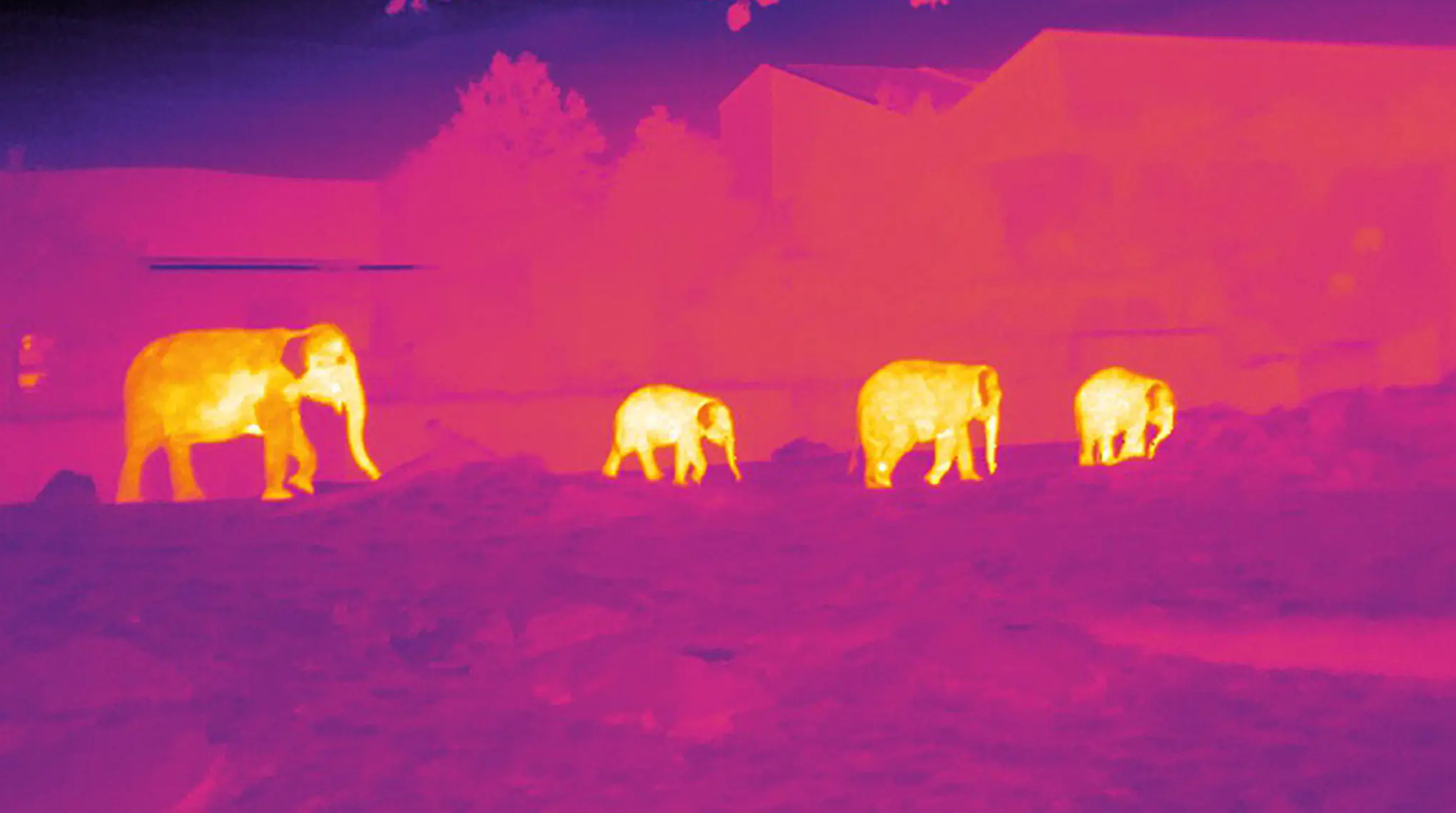
NASA’s data isn’t just about looking into deep space. Understanding Earth’s ecosystems is also central to its scientific work. With this data, we can build algorithms to identify fragile breaks in wildlife corridors, quantify how a warming planet forces animals to reroute, and assess the risks of habitat fragmentation, providing real, actionable guidance for wildlife conservation.
NASA and its partners make vast amounts of scientific data openly available. We consider this one of humanity’s most valuable scientific legacies. Those measurements of land ice, spectral signatures, and ocean currents are the shared rhythm of all living things, a foundation for questions we have yet to ask.
A23a’s scientists and artists will be here to do this with you. Their support is not a security blanket, but a challenge to demand more of yourself, and to re-understand and re-imagine the world.
Hope you create opportunities to improvise, bridging the gap between theory and practice while always remembering to collaborate. Hope you develop a moral compass. Hope you find exactly what makes the difference. Hope you make visible what, without you, might never have been seen.